
My name is Rich, and I’m the co-founder of Plant ID Cards. I’m a professional landscape contractor here in Central Oregon(Woodlawn Landscaping). I use these cards in my work all the time, especially during design consultations. They’re perfect for showing clients plant options without scrolling through Google images or trying to spark ideas from memory.
Plant ID Cards was born out of necessity. Back in 2017, I was studying for the Oregon Landscape Contractors Board exams. They require memorizing a hefty ~150-plant list, including sun requirements, water needs, and, toughest of all (at least for me), the Latin names. Parthenocissus tricuspidata — try remembering that one without hearing it out loud! (Boston Ivy, by the way. That one took me weeks.) There’s no way to connect those sounds to a plant without repetition and clear photos. Flashcards were the only method that worked.
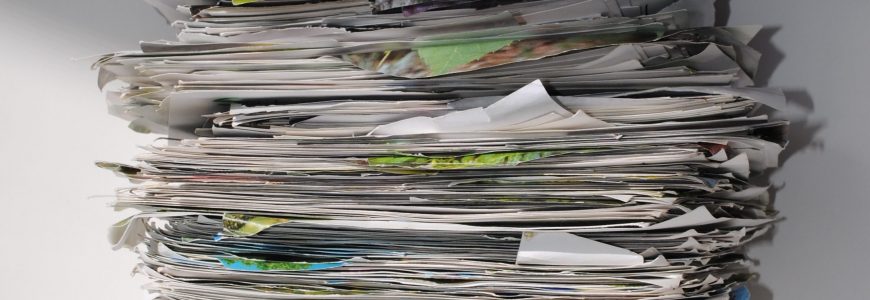
After blowing through a few hundred dollars on printer ink, paper, index cards, and glue sticks — and spending around 20 hours cutting and assembling — I ended up with a sticky, thick pile of DIY cards. It technically worked, but I couldn’t shake the feeling that there had to be a better solution.
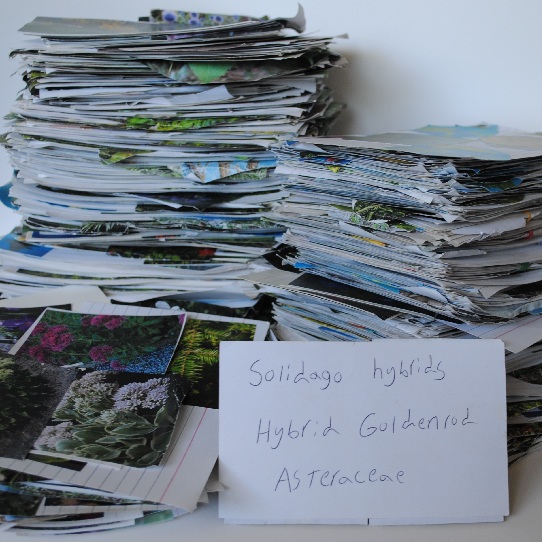
Around that time, I flew back to Virginia for my childhood friend Eli’s wedding. He was a professional landscaper in the Bay Area, and when I told him about my plant card struggle, he just laughed and pulled out photos of his giant homemade stack from horticulture school. I realized I wasn’t alone. This was a real problem, and as far as we could tell, nothing existed to solve it. Being two young entrepreneurs, it didn’t take long before we started sketching out the dream that would become Plant ID Cards.

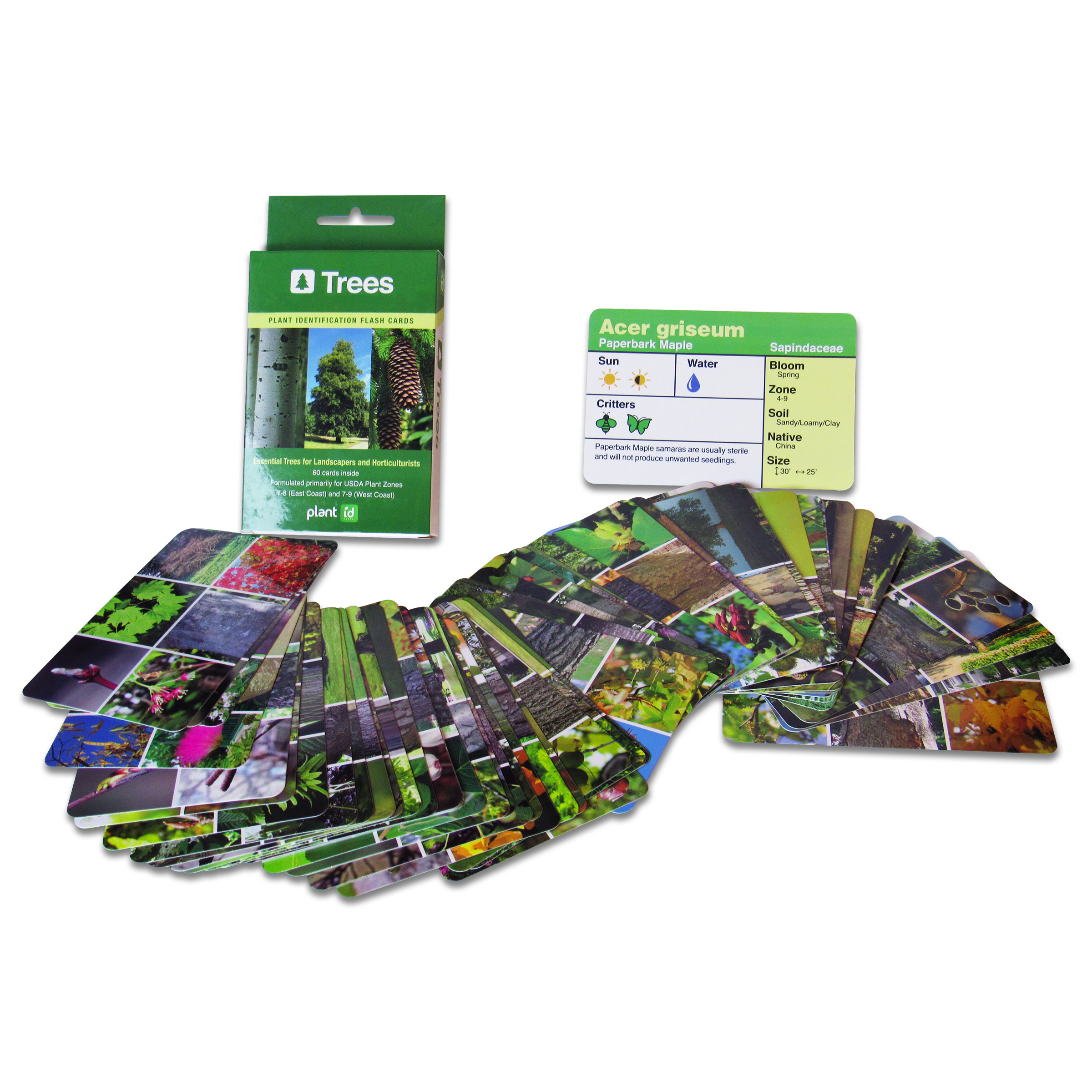
After work each day, we would spend hours discussing design ideas. I’ll spare you the whole journey, but you wouldn’t believe how much goes into creating something like this. So many decisions seem obvious in hindsight, but at the time we debated everything — even the deck colors (the shrubs deck was almost brown at one point).
The hardest part by far was curating the images. Some were available in the public domain, but many weren’t, or simply weren’t good enough. Getting consistent, high-quality photos of bark, fruit, form, leaves, and everything else for every plant is an insane undertaking. If we were going to put these out into the world, we wanted them to be a college-level, citable resource.
After three years of work, collaborating with a graphic designer, and coordinating overseas printing, we finally had boxes full of beautiful cards. We were ecstatic. They turned out better than we could’ve hoped.
Since then, the business has had its ups and downs. For a while we even had a small sales team and were shipping out plenty of decks each day. Not enough to quit our day jobs, but it was something! Eventually Eli moved, restarted his landscape business, and life got busier. We agreed it was best for him to move on, and I bought out his share. Exciting — yay, I’m a business owner! — but coming back to work on something that started as a partnership suddenly felt heavy. The business downsized to just me. Orders were still coming in, we had a good reputation, and things were steady, but something was missing.
Then I moved to Central Oregon and had to rebuild my landscaping business from scratch, which was a massive undertaking. Meanwhile, Plant ID Cards drifted into the background. The website grew outdated, the socials went quiet, and like any gear without oil, things eventually slowed to a stop.
Now, life has finally put me in a place where I can revitalize Plant ID Cards — and I’m genuinely excited. There’s so much potential here, and so many things coming soon.
About the cards (and what’s next)
I use them with clients, students use them for plant ID exams, and crews use them in the field to actually recognize what they’re working with.
Just over the horizon
- Digital cards: in post-production now, with quizzing and customizable decks. You can try the current demo at plantidcards.com/digital-flashcards/trial .
- Oregon LCB exam deck: we’re very close to having the complete Oregon Landscape Contractors Board exam deck ready, with a goal of making it available in 2026.
- Future goals: more state licensing decks, an app that can help learn and ID plants from photos, and smaller booster decks for flowers, grasses, and more.
Writing all of this out has been an experience. Taking a step back and putting the whole journey into words makes me realize what a ride it’s been. I’m genuinely excited for the future of this little business.
Thanks again for your interest and for taking the time to read our story. I know you’ll love your new cards, and I wish you the best of luck on your horticultural journey.